AI Assistants for Productivity: LoginInventor's Vision
Updated
Discover how AI assistants for productivity can enhance business operations and learn about LoginInventor's approach to integrating these tools effectively.
Understanding the Rise of AI Assistants
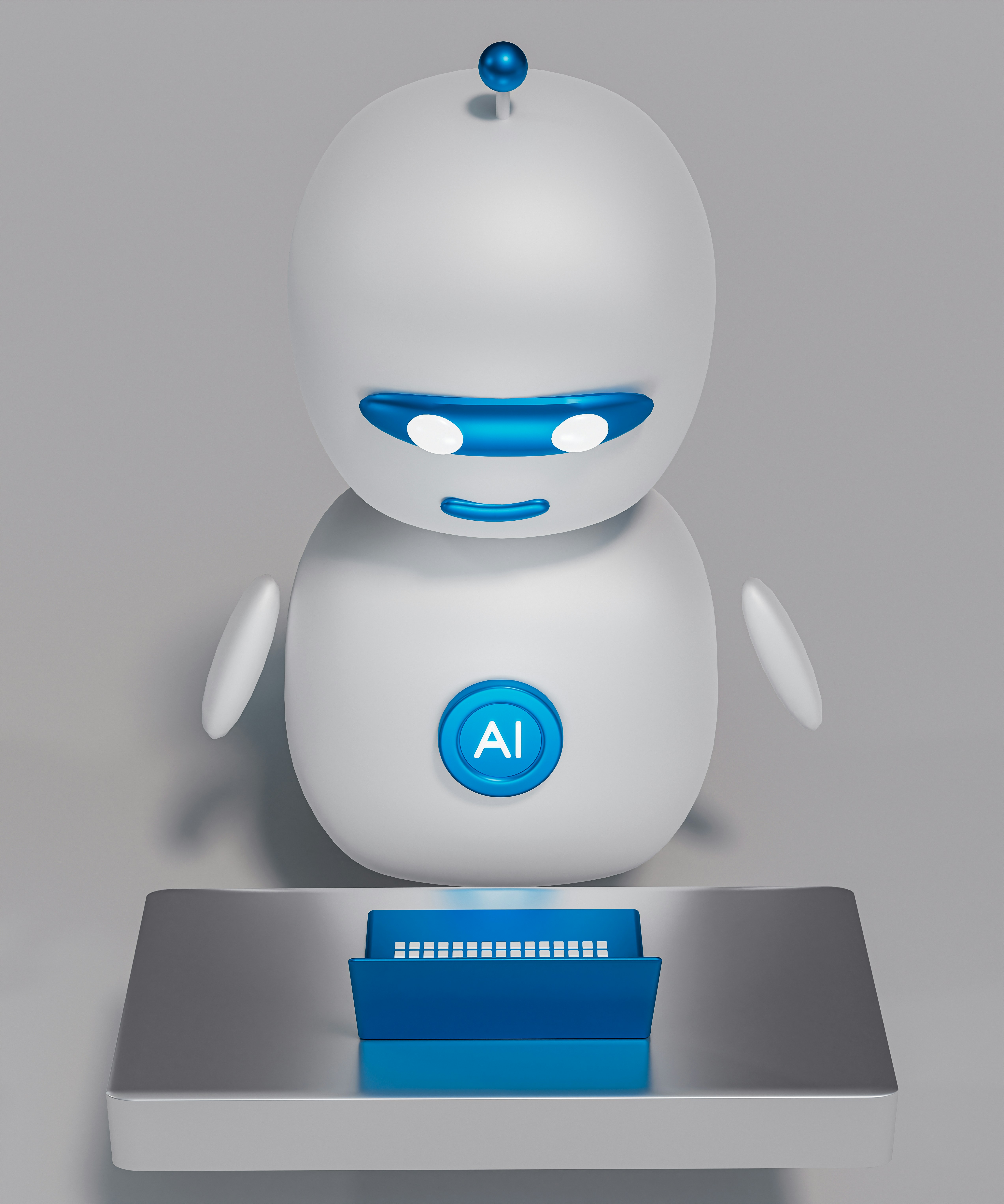
In recent years, the rise of AI assistants has transformed how we interact with technology. These digital companions not only streamline our tasks but also redefine productivity. With advancements in natural language processing and machine learning, AI assistants have become increasingly sophisticated, offering personalized assistance that adapts to our preferences and habits.
LoginInventor’s Vision for Tomorrow
At the forefront of innovation, LoginInventor is pioneering the next generation of AI technologies. Their vision for tomorrow focuses on enhancing user interactions through intuitive AI assistants. Imagine a world where your digital assistant understands your needs, offers proactive solutions, and integrates seamlessly with various platforms, creating a more cohesive technological ecosystem.
Embracing the Future of AI
As we embrace the rise of AI assistants, it’s important to acknowledge the potential benefits and challenges they bring. The LoginInventor team believes that with responsible development, AI can elevate our daily experiences, making technology accessible and efficient. The future lies in leveraging AI to enhance human capabilities, delivering not just convenience but also empowering users in their endeavors.
Key Considerations for Implementing AI Assistants
As businesses consider integrating AI assistants into their operations, several key factors should be evaluated to ensure successful implementation. Understanding these elements can help organizations maximize the benefits of AI technology.
Functionality and Use Cases
Identify the specific tasks that an AI assistant can perform within your organization. Common use cases include scheduling meetings, managing customer inquiries, and providing data analysis. Clearly defining these functions will guide the selection of the right AI tools.
Integration with Existing Systems
It is crucial to assess how the AI assistant will integrate with your current software infrastructure. Smooth integration can enhance efficiency and reduce disruptions. Consider compatibility with CRM, ERP, and other relevant systems to ensure a unified workflow.
User Training and Adoption
Successful adoption of AI assistants requires training for team members. Provide resources and support to help staff understand how to interact with the AI effectively. This training fosters a positive user experience and encourages collaboration with the technology.
Data Privacy and Security
When implementing AI assistants, prioritize data privacy and security. Ensure that the chosen solution complies with relevant regulations and has robust security measures in place to protect sensitive information.
Continuous Improvement
Monitor the performance of the AI assistant and gather feedback from users. Continuous improvement based on real-world usage can enhance the assistant's capabilities and better meet user needs.